 English
 简体中文
简体中文

Views: 194 Author: Site Editor Publish Time: 2025-06-06 Origin: Site


A furnace transformer is a vital electrical component within modern HVAC (Heating, Ventilation, and Air Conditioning) systems, particularly in gas and electric furnaces. Its primary function is to convert high-voltage current from the main power supply into the lower voltage needed to operate the furnace control board, igniter, thermostat, and safety circuits. Without it, the furnace’s core electronic functions simply wouldn’t work.
Transformers are engineered to provide consistent performance over extended periods, but like any electrical component, they degrade over time due to electrical stress, heat, vibration, and dust exposure. Their longevity plays a direct role in the efficiency and reliability of the entire heating system.
Understanding the lifespan of a furnace transformer is crucial for both homeowners and HVAC professionals. Replacing a failing transformer at the right time can prevent system breakdowns, reduce downtime, and save on repair costs. But how long do these devices actually last under typical conditions? Let’s explore.
Under ideal operating conditions, a furnace transformer can last 10 to 20 years. This range, however, depends heavily on a variety of factors, including usage frequency, environmental conditions, maintenance, and power quality.
| Factor | Description |
|---|---|
| Power Surges | Repeated exposure to surges can degrade insulation and windings. |
| Dust and Debris | Contaminants can lead to overheating and reduced airflow. |
| Vibration and Mounting | Poor mounting causes mechanical wear and early failure. |
| Temperature Extremes | Constant heat accelerates internal aging of electrical components. |
| Maintenance Schedule | Regular inspections catch small issues before they lead to transformer burnout. |
It’s important to note that even though transformers are passive devices without moving parts, they are not immune to failure. A small crack in the winding insulation or a surge-induced short circuit can instantly render them inoperable.
Knowing when your furnace transformer is beginning to fail can help avoid emergency situations in the dead of winter. Here are some of the most common symptoms:
If your furnace remains completely unresponsive even when your thermostat is calling for heat, the transformer may no longer be converting voltage properly.
A faulty transformer can draw excess current, causing your breaker to trip repeatedly.
While a low hum is normal, loud buzzing may indicate the transformer is overloaded or vibrating internally due to loose windings.
If the transformer feels excessively hot to the touch, it could be due to internal resistance or improper voltage regulation.
Technicians can use a multimeter to measure the input and output voltage. A noticeable discrepancy indicates the transformer is no longer functioning correctly.
By being alert to these symptoms, homeowners can take preventive action before the furnace system suffers a total breakdown.
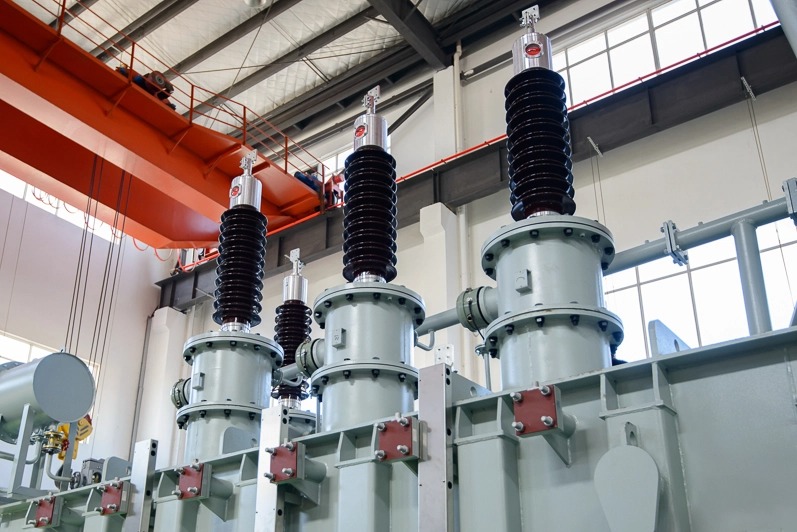
While no component lasts forever, there are practical steps that can be taken to maximize the lifespan of a furnace transformer.
Regular Maintenance: Scheduling seasonal HVAC inspections ensures the transformer is functioning optimally. Dirty filters and clogged airflow can cause overheating, affecting the transformer.
Surge Protection: Installing a whole-home surge protector reduces the risk of transformer burnout due to electrical surges.
Proper Ventilation: Ensuring that the furnace cabinet has sufficient ventilation can help dissipate heat that may otherwise stress the transformer.
Dust Control: Clean air ducts and blower compartments reduce the risk of overheating from dust accumulation.
Tight Mounting: A firmly mounted transformer reduces vibrations and helps maintain coil integrity.
These maintenance strategies don’t just extend transformer life—they also boost the overall efficiency and lifespan of the entire HVAC system.
No. Without a functioning transformer, the furnace will not receive the necessary low-voltage signals from the thermostat, nor will it power essential control components.
Generally, replacing a furnace transformer is relatively inexpensive compared to other furnace repairs, with parts and labor typically ranging from $100 to $300.
Unless you're trained in electrical work, it’s best to leave transformer replacement to certified HVAC professionals due to the risk of electric shock and potential damage to the system.
Occasional outages typically don’t harm transformers, but sudden surges during power restoration can.
A transformer should be visually inspected during annual furnace maintenance checks to ensure optimal performance and detect any early signs of wear.
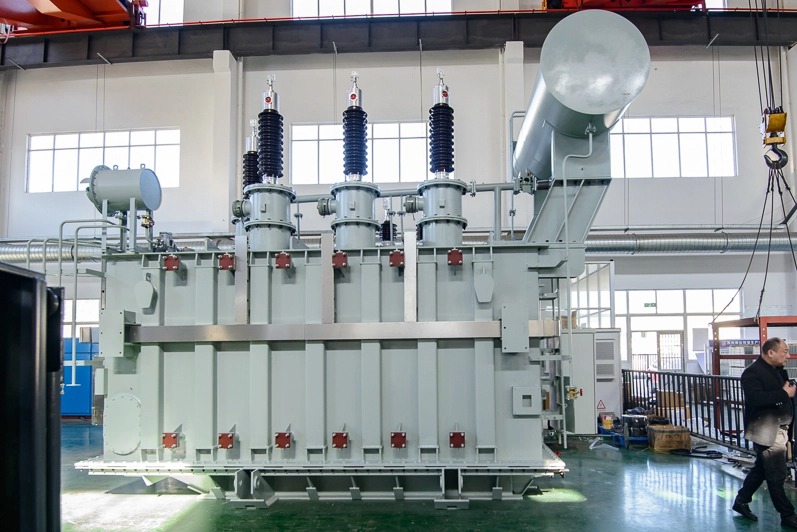
The right time to replace a furnace transformer is before it fails completely. If your HVAC technician notices irregular output voltage, signs of overheating, or corrosion during a routine inspection, it’s wise to act quickly.
Don’t wait until you’re shivering in the middle of a snowstorm. A proactive replacement may seem unnecessary at the moment, but it could prevent serious inconvenience and expensive emergency repairs.
Keep in mind that most transformers are not designed to be serviced—they’re replaced as a complete unit. Choosing a high-quality replacement and ensuring it's installed properly will give you another 10 to 20 years of dependable operation.


